Auditory obstruction can be disorienting, often making you feel isolated from the world around you. It is common to presume that muffled sound signifies long-term hearing impairment, but the issue is often just a treatable cerumen obstruction.
Understanding the distinction between cerumen blockage vs. auditory loss can help you know when a simple solution is possible and when it’s time to seek a hearing evaluation. Try not to fret if your hearing feels suddenly reduced. A clinical assessment will provide the final answer, but the following resource outlines the main differences between blockage-based issues and lasting loss.
What Earwax Buildup Feels Like
Cerumen is essentially a beneficial, natural secretion designed to protect the ear canal from particles and foreign debris. Medical issues only develop when the wax neglects to move out of the ear, resulting in a significant buildup or impaction.
Typical markers of an impaction involve:
- A noticeable decrease in hearing level
- A sensation of fullness or blockage in the ear
- Localized tenderness or focused aching in the ear
- Ringing in the ear (tinnitus)
- Moments of sharper hearing after a jaw stretch or chewing
A hallmark of blockage-based sound fluctuations is imbalance, usually affecting one side over the other. Thankfully, clearing the blockage typically clears the signs immediately.
What Hearing Loss Feels Like
Unlike a temporary blockage, nerve-based hearing deficit usually progresses steadily over decades and is not resolved by cleaning the canal.
Standard indicators of permanent hearing impairment consist of:
- Struggling to follow conversations when ambient sound is present
- Frequently asking people to restate themselves
- Turning up the television or phone volume louder than others prefer
- Trouble hearing treble sounds like nature or children’s voices
- A balanced decrease in auditory function in both ears
Crucially, hearing impairment is a clarity issue that rarely includes the perception of manual pressure found with wax.
Comparing Cerumen Blockage and Auditory Loss
By looking at the timing and specific symptoms, you can often determine which condition is affecting you:
- Onset: Cerumen blockages often appear abruptly; auditory impairment develops gradually
- Longevity: Wax issues are fixable and temporary, whereas loss is usually long-term
- Symptoms: Pressure and discomfort suggest wax; speech clarity issues suggest loss
- Symmetry: Blockages are frequently unbalanced, but lasting loss is frequently bilateral
The Risks of DIY Cerumen Removal
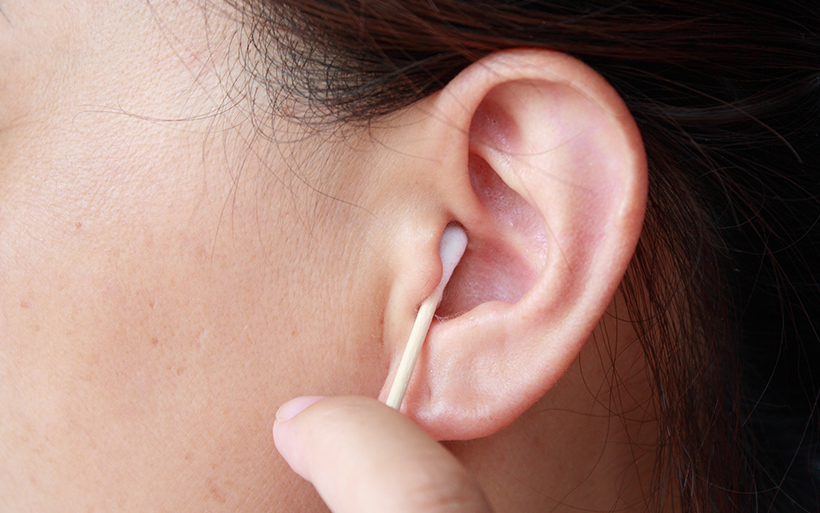
Many people make the mistake of trying to extract a suspected obstruction manually using probes or home tools. Regrettably, these can shove wax deeper and exacerbate the problem.
According to the National Library of Medicine, placing items into the auditory canal increases the likelihood of blockage and trauma.
Delaying a clinical check-up for real hearing loss can result in losing out on solutions that protect your long-term cognitive and social health.
What to Expect Throughout a Formal Consultation
A quick clinical exam is the primary way to verify if wax is actually the cause of your muffled hearing.
When wax is the cause, in-office flushing or clinical clearance provides instant resolution.
Should the ear canal be clear but auditory struggles persist, an audiogram can assess whether hearing loss is identifiable and determine its category and degree.
Medical authorities suggest seeking a professional opinion as soon as you observe auditory fluctuations that affect your routine.
Choosing the Correct Solution for Improved Hearing
Dampened hearing doesn’t always indicate permanent trauma.
It is frequently the reality that a basic, treatable blockage is the source of the concern.
Seeking professional care guarantees you find the exact cause and the right remedy for your auditory needs.
In the end, an expert exam is the single reliable way to differentiate between a fleeting obstruction and a permanent change.
Addressing the concern now halts the anxiety of the uncertainty and places you on the path to improved hearing.
If your auditory sense feels off, avoid guesswork. A quick exam can make all the difference, so contact our team of specialists today.