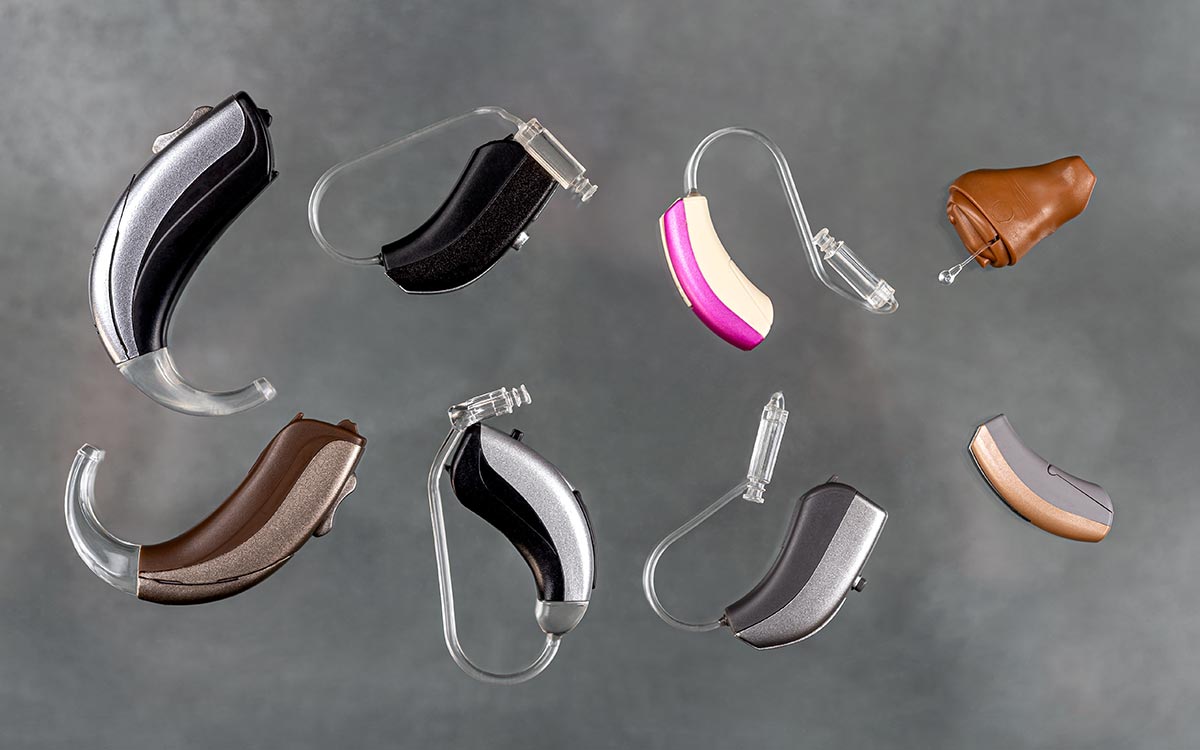
Choosing a hearing aid can feel daunting, especially when today’s units come in so many styles, sizes, and technology levels. However, a specialized hearing solution exists for every person’s singular needs and daily habits. The key is merely identifying the one that fits you best.
Feeling certain about your choice begins with knowing how different hearing aids function and compare. In this breakdown, we look at current styles and the unique characteristics that define them.
In-the-Canal (ITC) Hearing Aids
The Definition:
These hearing aids are placed partially inside the canal, making them visible only slightly from the outside.
The Advantages:
- Offers a smaller shape than bulkier behind-the-ear units
- Specifically shaped to the user’s ear for an optimal fit
- Designed to treat low to mid-range hearing impairments
Because they offer both discretion and helpful features, ITC models are a top pick for those new to hearing technology.
Invisible-in-Canal (IIC) Hearing Aids
What they represent:
IIC models are the most tiny custom-fitted auditory solutions you can choose. They are placed deeply within the canal to remain hidden from view.
Why individuals pick them:
- The best choice for patients prioritizing appearance
- Provides authentic audio because of where the device sits
- Lightweight and easy
Because of their small size, IIC devices typically work best for mild to moderate hearing loss and for those who prefer an almost invisible option.
Understanding In-the-Ear (ITE) Devices
What they are:
These models occupy either the complete or bottom half of the outer ear bowl. They are custom-made to fit the shape of your ear.
Why users favor this style:
- Increased size allows for more capabilities and longer battery life
- Provides an easier process for those who struggle with tiny accessories
- An adaptable choice that can address even significant levels of hearing loss
ITE models are frequently chosen by people who want a simple, all-in-one design without behind-the-ear components.
Exploring BTE Styles
Technical Detail:
These devices sit on the external ridge of the ear’s anatomy. Audio is sent via an ultra-fine tube or a personalized mold in the canal.
Key Advantages:
- Known for being remarkably adaptable and robust
- Can be set to assist users with everything from mild to profound loss
- The size provides plenty of room for the latest connectivity features and rechargeable hardware
BTE devices are an excellent choice for individuals seeking reliability, ease of use, and strong amplification.
RIC (Receiver-in-Canal) Summary
What they represent:
RIC hearing aids appear similar to BTE models, but the speaker (receiver) sits inside the ear canal rather than inside the device behind the ear.
Key Benefits:
- Provides a remarkably crisp and lifelike listening experience
- Compact, lightweight, and comfortable
- RIC technology is highly flexible for many different audiogram profiles.
Thanks to their ease and visual beauty, RIC devices have become a gold standard.
Long-Term “Set and Forget” Hearing Aids
Overview:
Extended-wear models are fixed units that an expert fits into the ear for a duration of several weeks.
User Incentives:
- Provides an effortless journey with no daily maintenance required
- Offers an entirely covert solution for hearing health
- Built to endure the stresses of sleep, exercise, and showering without being removed
These models are the ultimate option for an effortless, seamless hearing experience.
Connected Wireless Solutions
What they represent:
Connectivity-focused hearing aids that use Bluetooth to integrate with your digital life.
Why people select them:
- Enjoy direct audio streaming from your phone or TV right into your ears
- Gives you the ability to adjust your volume and programs via an electronic app
- Perfectly suited for the requirements of a tech-savvy, connected individual
Bluetooth options are available across many styles, including RIC, BTE, and some ITC models.
Middle-Ear Implants
Procedure Information:
An operatively implanted device that directly vibrates the middle ear bones to amplify sound.
Why patients pick them:
- Choice for people who cannot use traditional hearing aids
- Solves the issue of ear discomfort caused by regular hearing aids
A complete meeting with an ENT professional is necessary before considering a middle-ear implant.
Finding the Hearing Aid That Fits Your Life
Every hearing aid style offers its own advantages, and the right option depends on your level of hearing loss, comfort preferences, lifestyle, and cosmetic considerations. A hearing care professional can lead you through your options, answer questions, and help you experience how different devices look and feel.
If you’re ready to investigate the possibilities, schedule an auditory evaluation today. It’s an excellent first move toward better hearing and more confident communication every day.
Sources:
https://www.mayoclinic.org/diseases-conditions/hearing-loss/in-depth/hearing-aids/art-
20044116
https://www.hearinglife.com/hearing-aids/types
https://www.nidcd.nih.gov/health/hearing-aids